Today in class we relabeled everyday objects using the techniques we read about in Interaction Relabelling and Extreme Characters, by Djajadiningrat, Gaver, and Frens. I brought in a laser leveler.
My group began by going around and explaining the original functions and affordances of our objects. Focusing on the original functions helped to see what natural affordances the object’s pieces encouraged and how they could be reinterpreted for new functionality. Listed below are the ideas my group came up with for relabeling the laser leveler.
Back Scratcher
The measuring tape was begging to be pulled out of its casing, and a hole in the leveler made for a perfect hand grip. Added together, a user can hold the main body of the object over their shoulder and then use the protruding tape measure to scratch their back.
Rave Kit
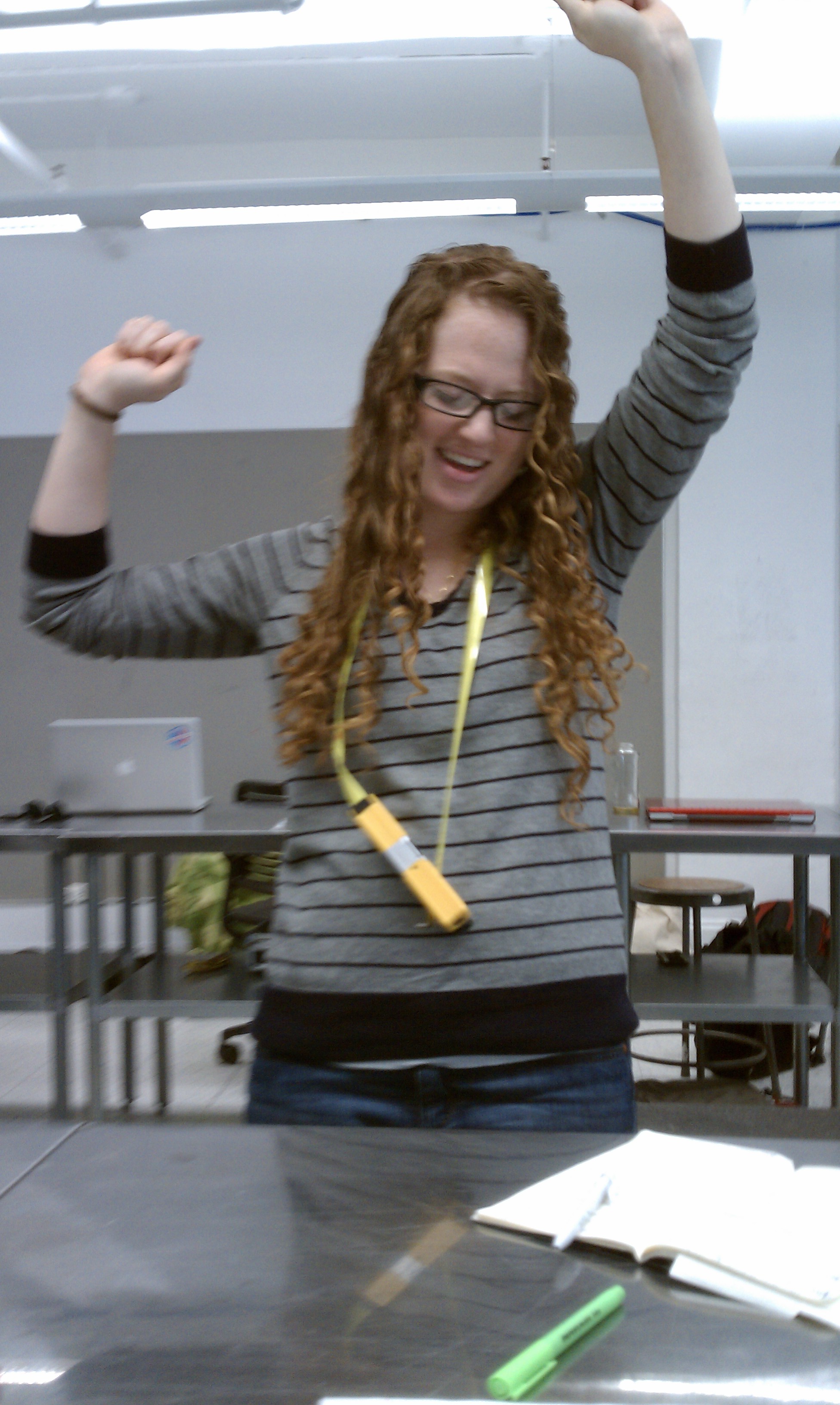
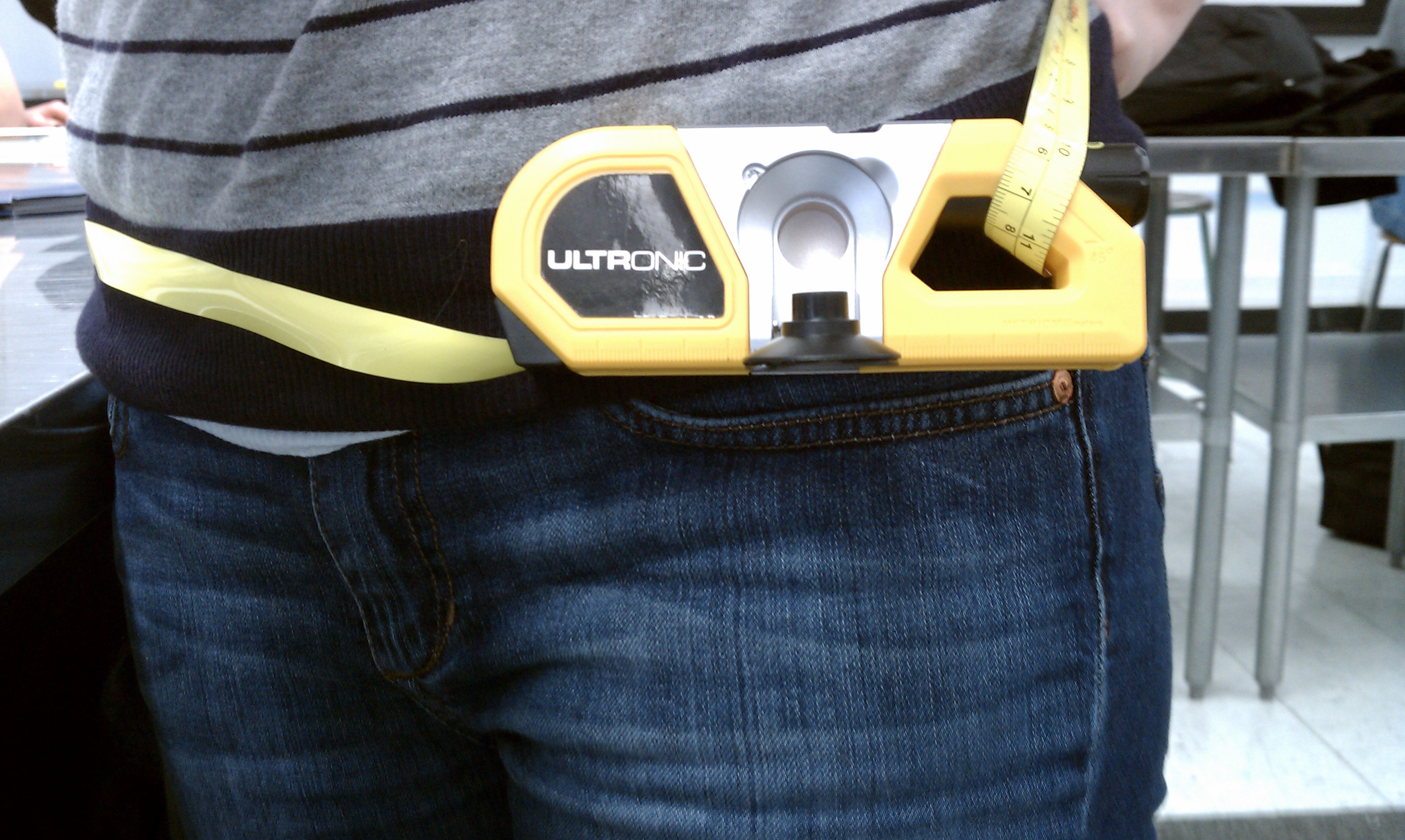
This would be the perfect object/gadget for a rave goer. The laser measure component is utilized as the user is dancing around at the rave. The tape-measure can be used to wear the object, either as a necklace or a belt, as shown below.
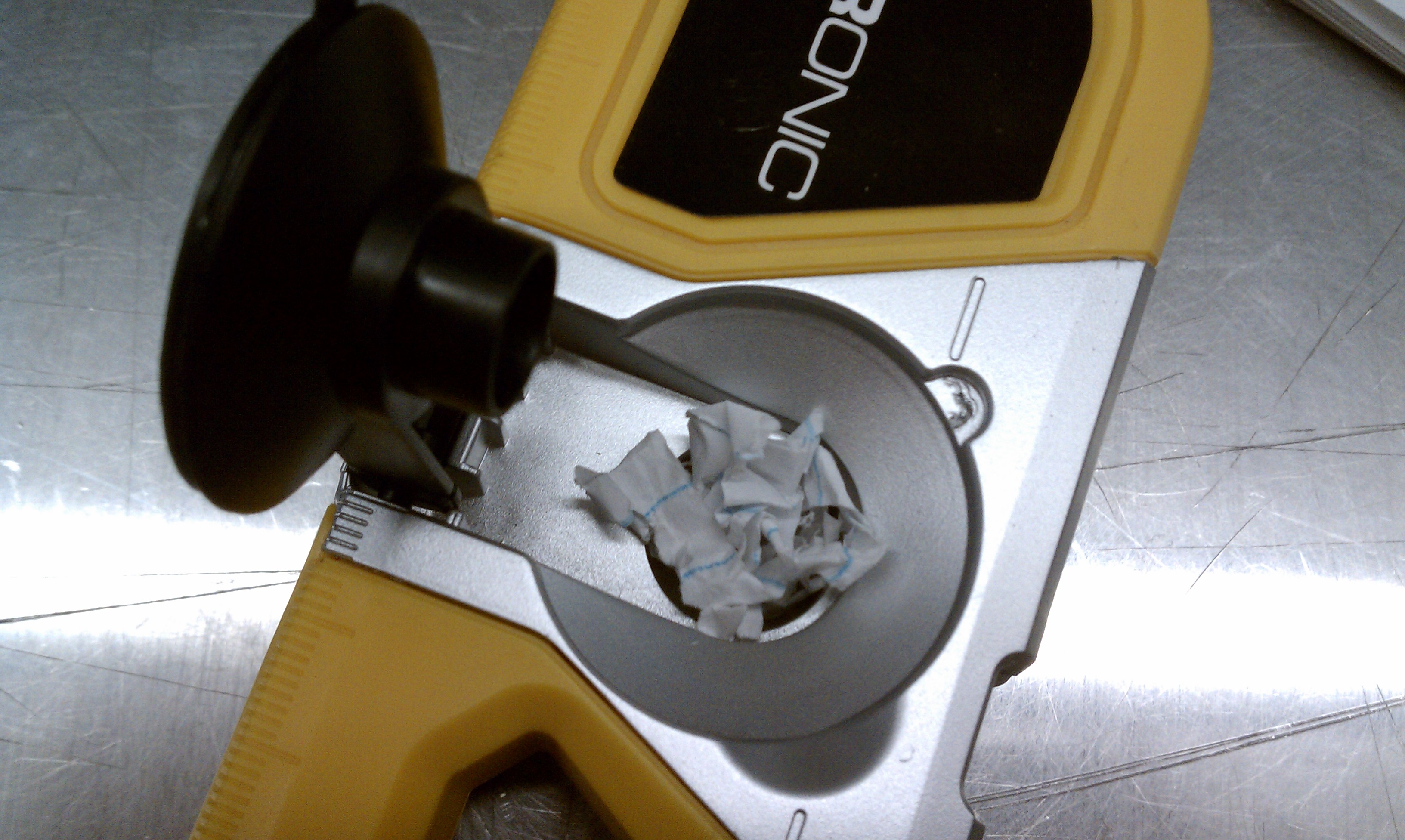
There is a little compartment on the side that can be used to hold rave related substances or tic tacs.
Child Leash
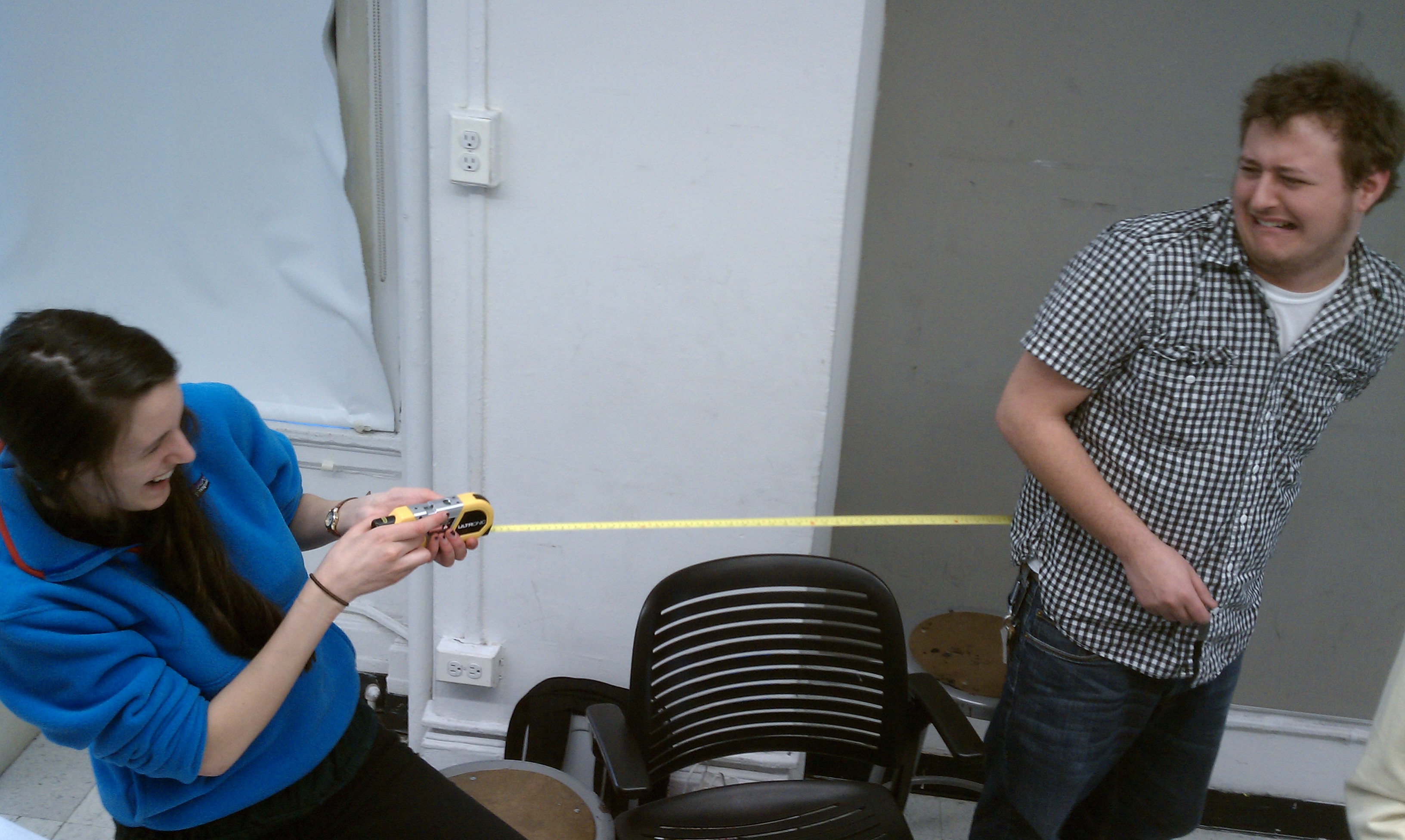
Similar to the Rave Kit, the tape-measure can be used as a leash by attaching the end to a child and having a parent hold the main component. The child can roam far away from their parent, while still being safe and within reach. The side compartment can hold a small snack for the child.
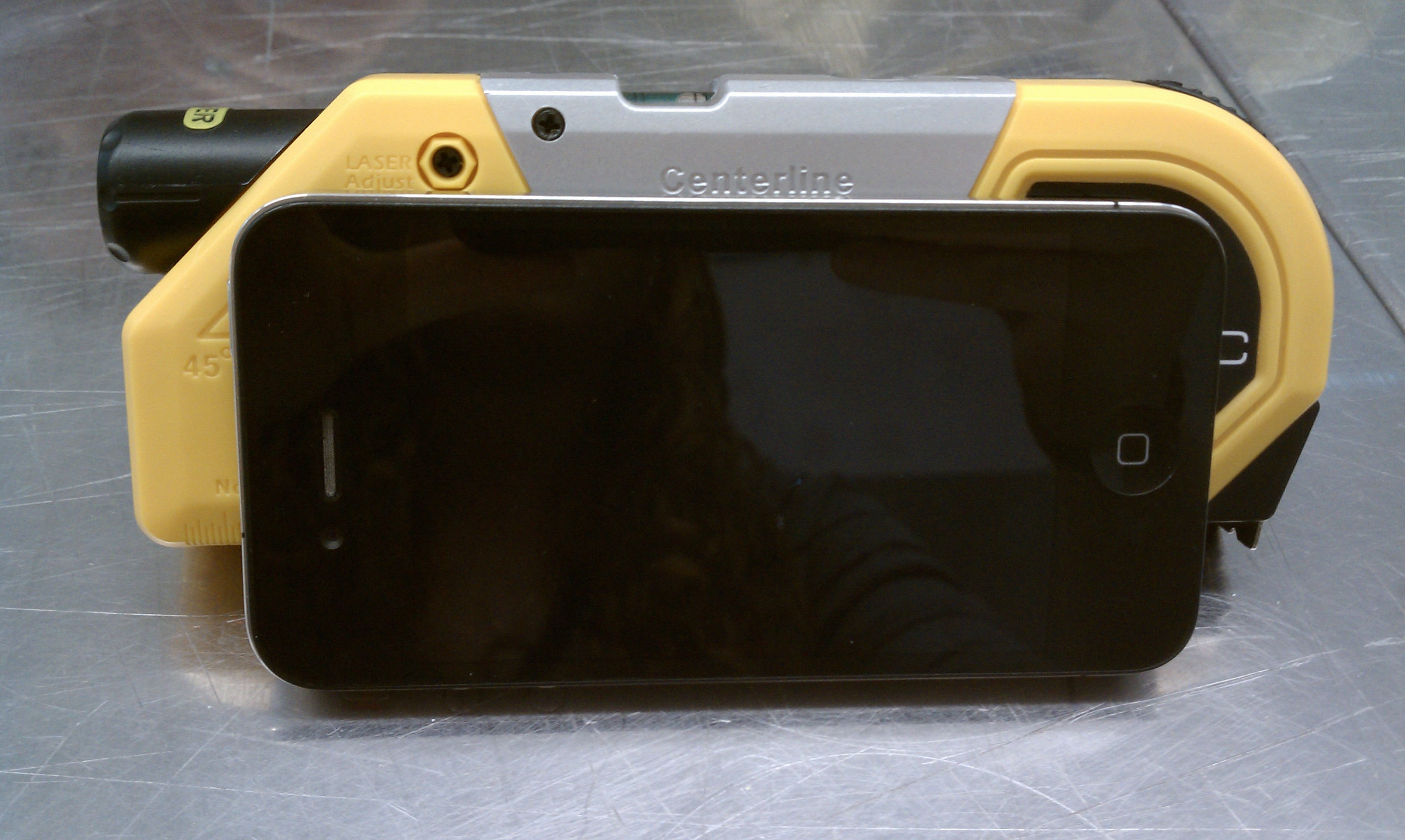
Phone Stand
The side-component cap can be placed on a flat surface and support the weight of the main component. The component can be leaned and used as a stand for watching something on a small media device.
Other Ideas:
- ring holder
- thermometer
- balance checker
- antenna
- laser pointer
- tool belt
- race car like toy
- cane
- ring holder
- utensils
This exercise was very useful in understanding how users interpret natural affordances of an object and how certain components can be misinterpreted, or reinterpreted. When considering the uses of an object at face value, one is able to look past what the original intent of that object was and consider how the user really understands that object. Perhaps the most important lesson I learned during this exercise is that, as designers, we must step back from our designs and try to look at them with naive eyes. Then we can understand what natural affordances we have created and how they are going to be understood by others.