December 16, 2010 0

Light/Time Final

By in Fall 2010, Physical Computing 1

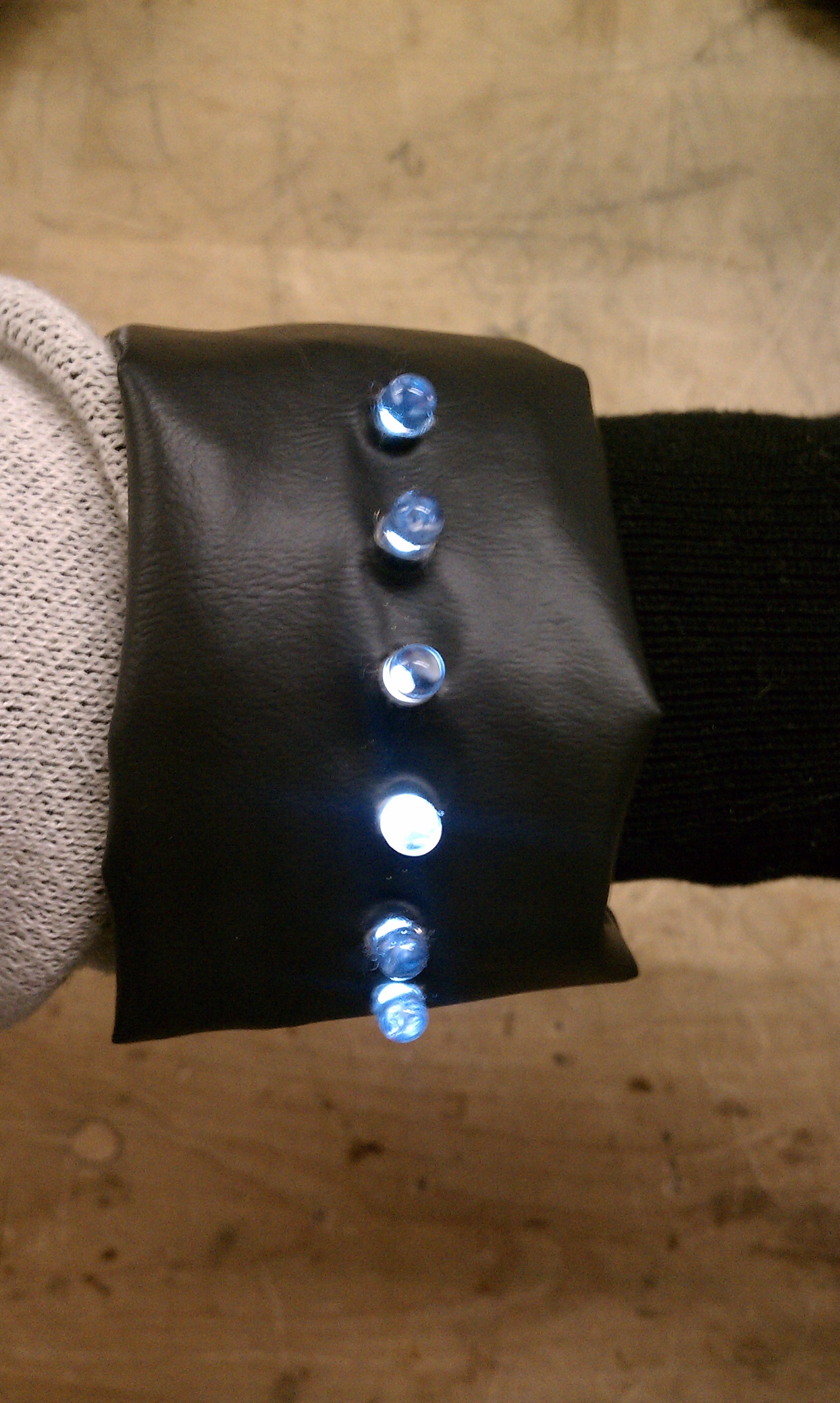
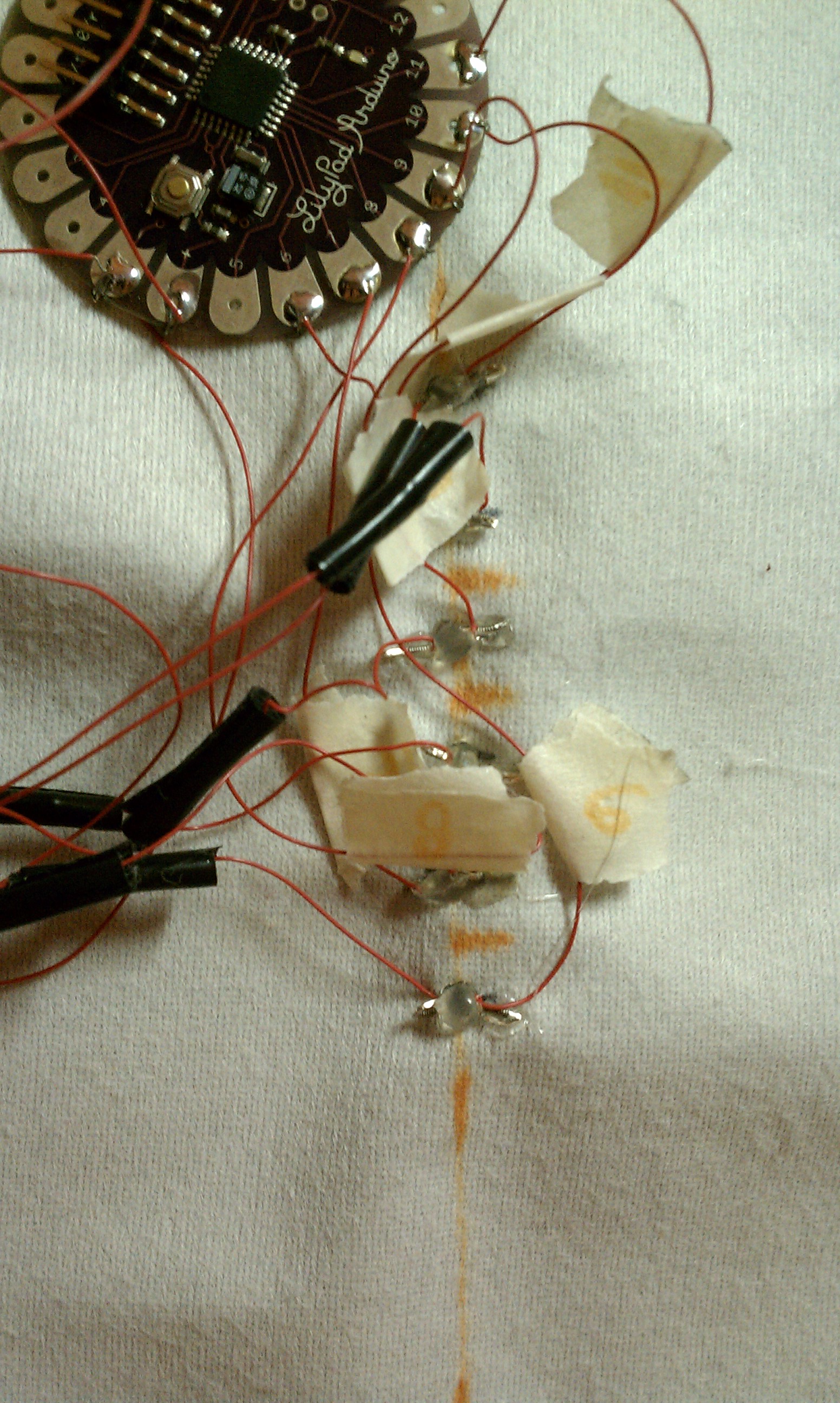
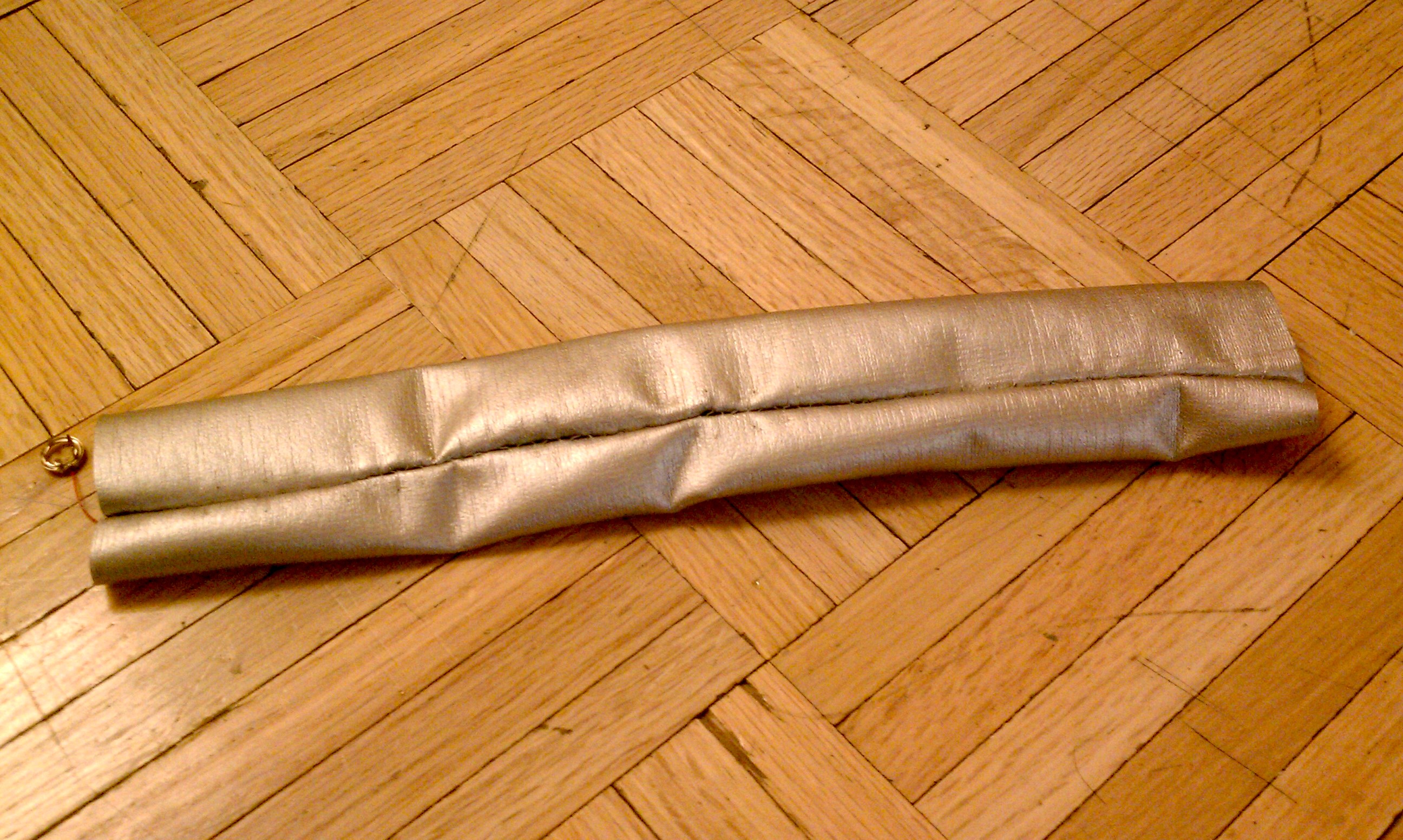
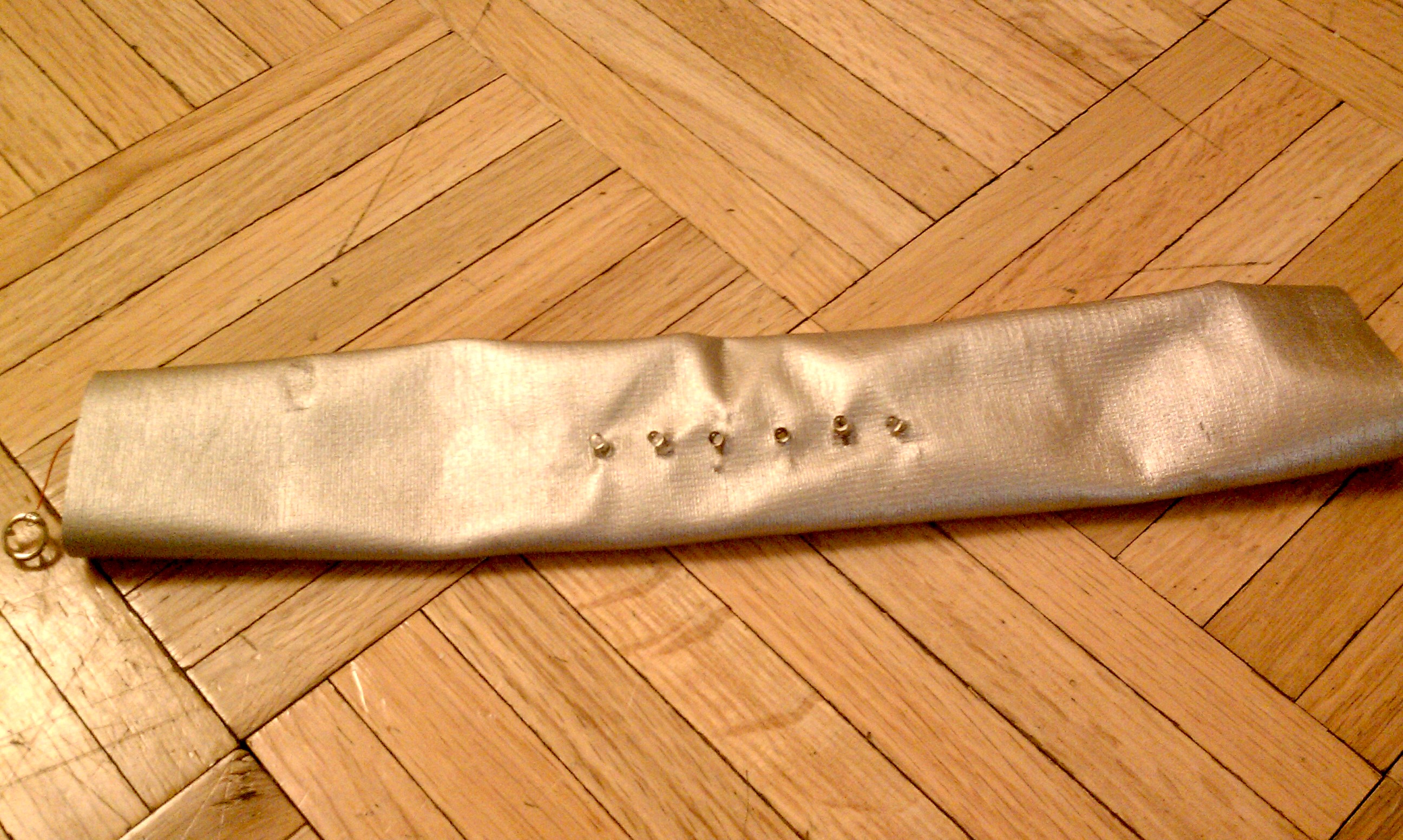
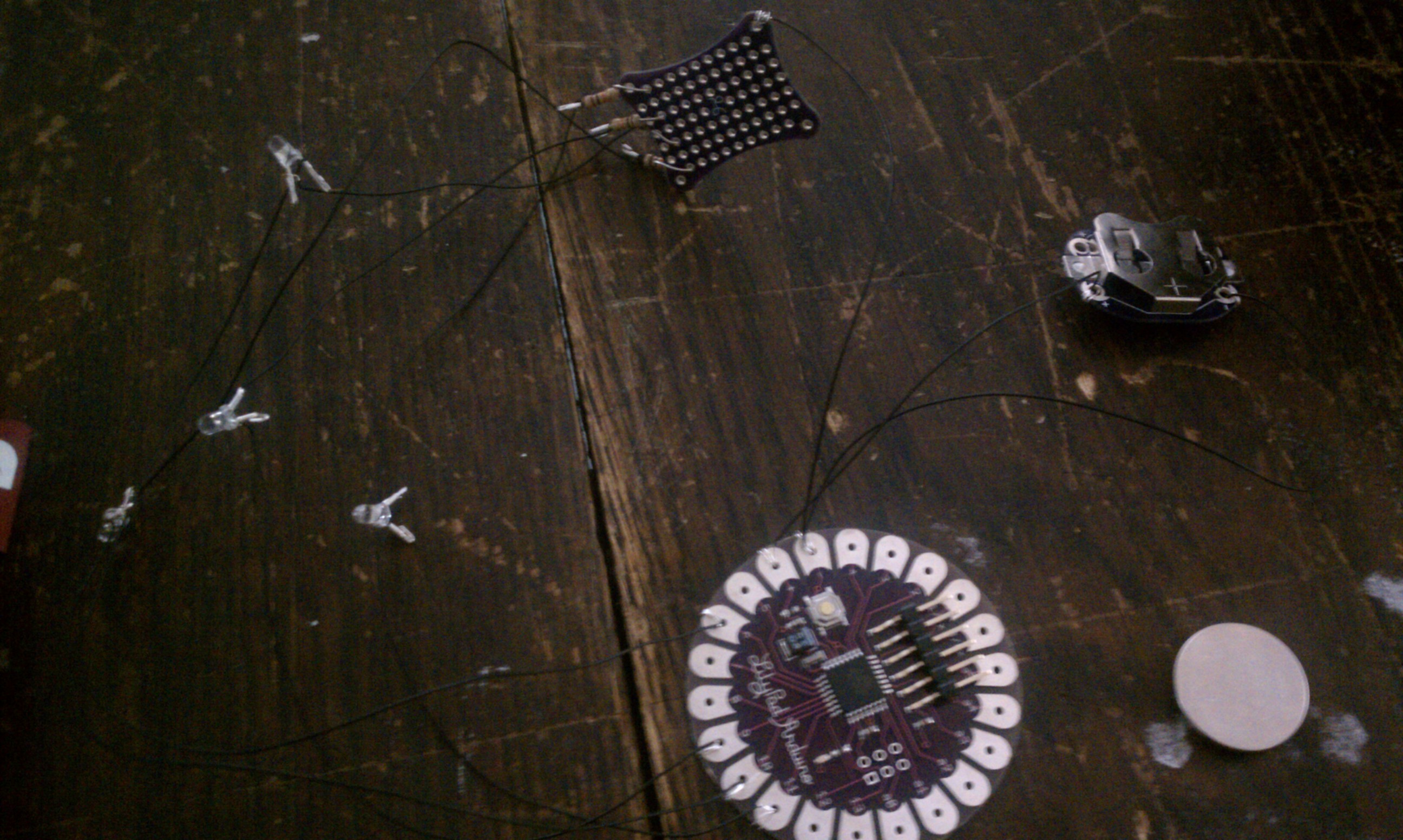
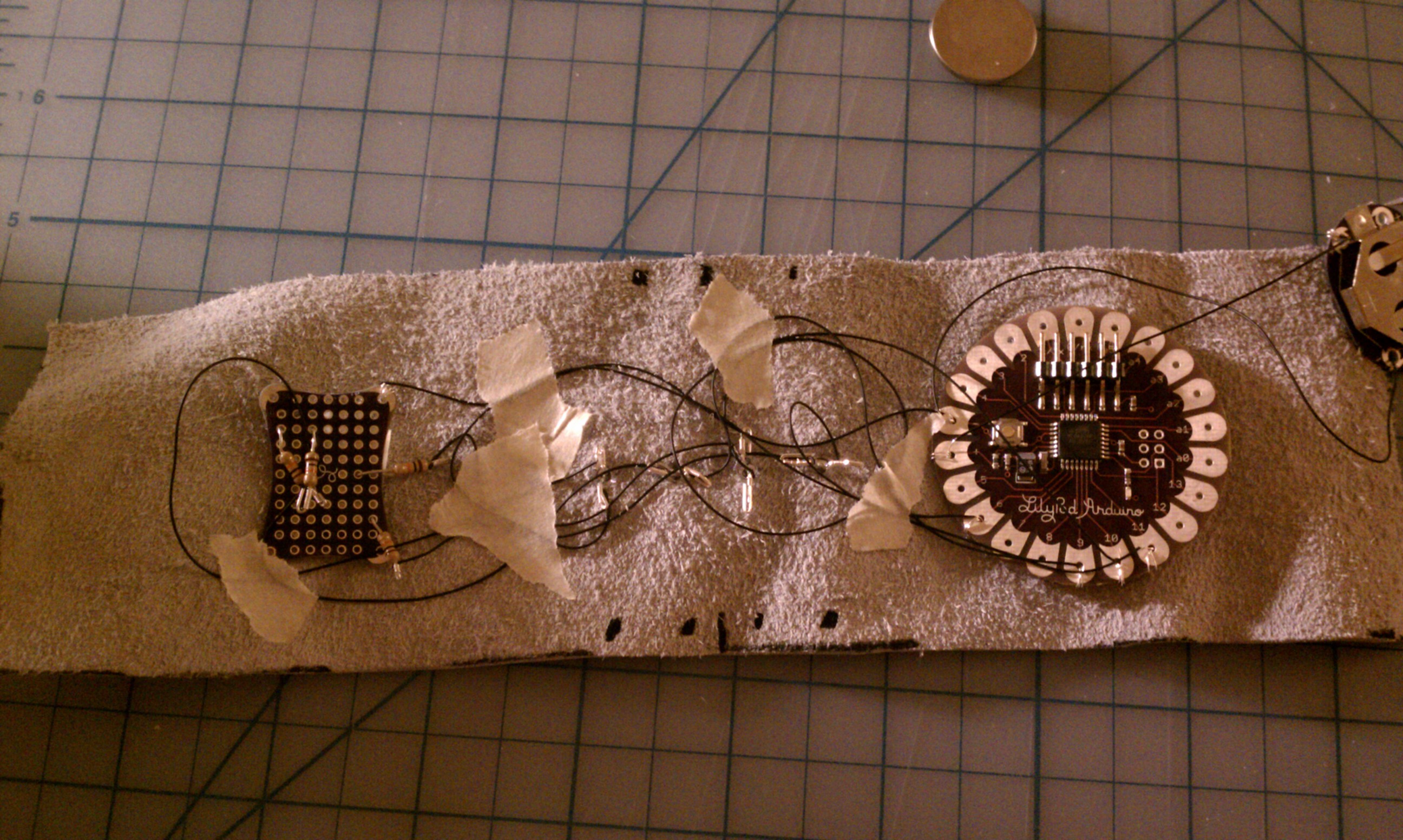
After having some issues with my code, I rewired my bracelet to make sure all of the connections were strong and re-coded using arrays and for loops. I also added a Vibration Motor to vibrate at the ending time as an extra indicator. Please see the final images below, as well as my final code.

Also, please see my previous project posts (iterations, process 1, process 2).

finished bracelet


Read the rest of this entry »

Tags: , , , ,

December 15, 2010 0

PComp Final Progress 2

By in Fall 2010, Physical Computing 1

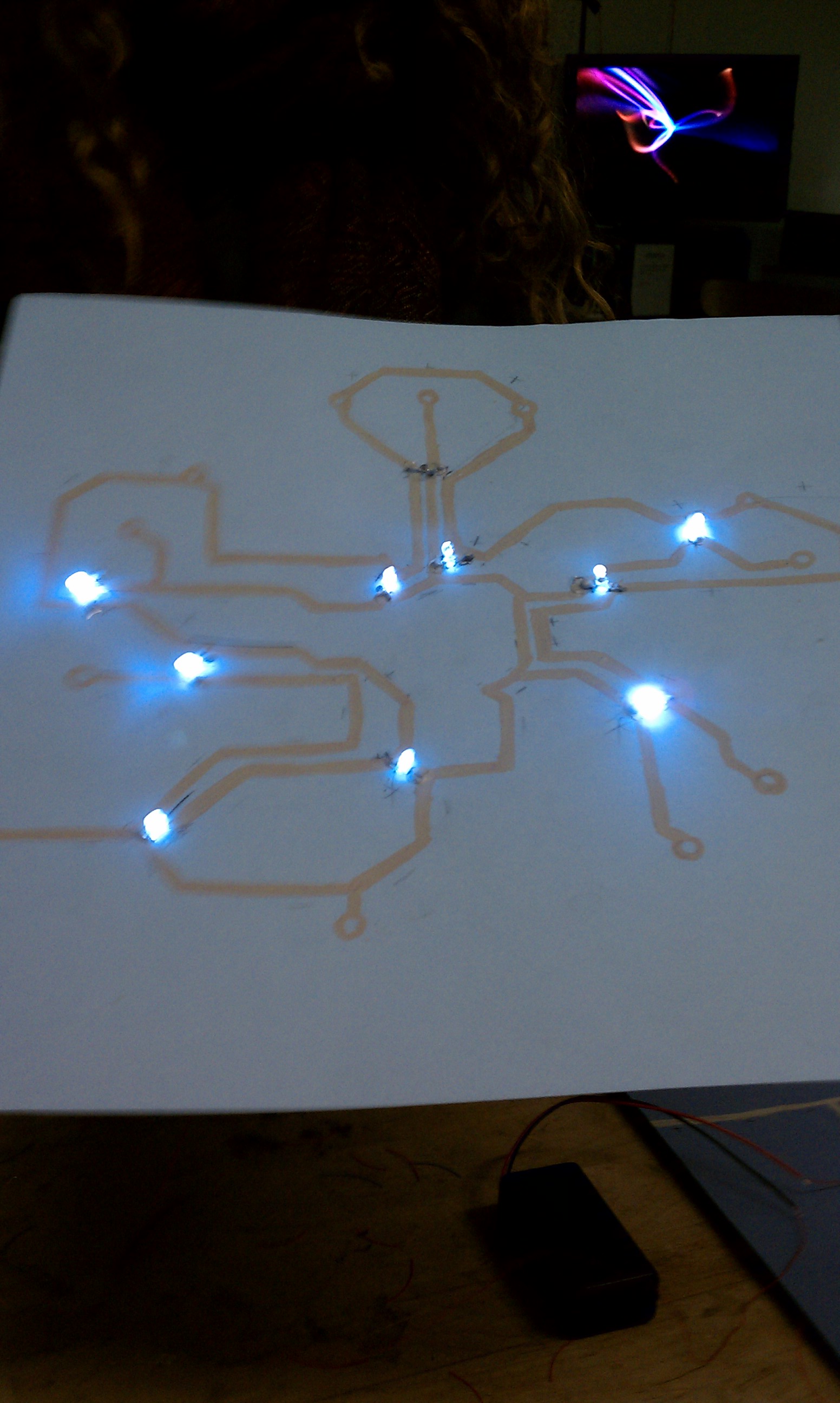
Liz and I have been hard at work to complete our two final projects for Physical Computing. Our collaborative project has taken us a lot of time to bring together because the conductive paint we are using is quite fussy. We finally got all of our errors worked out, however, and we are finally seeing everything come together.

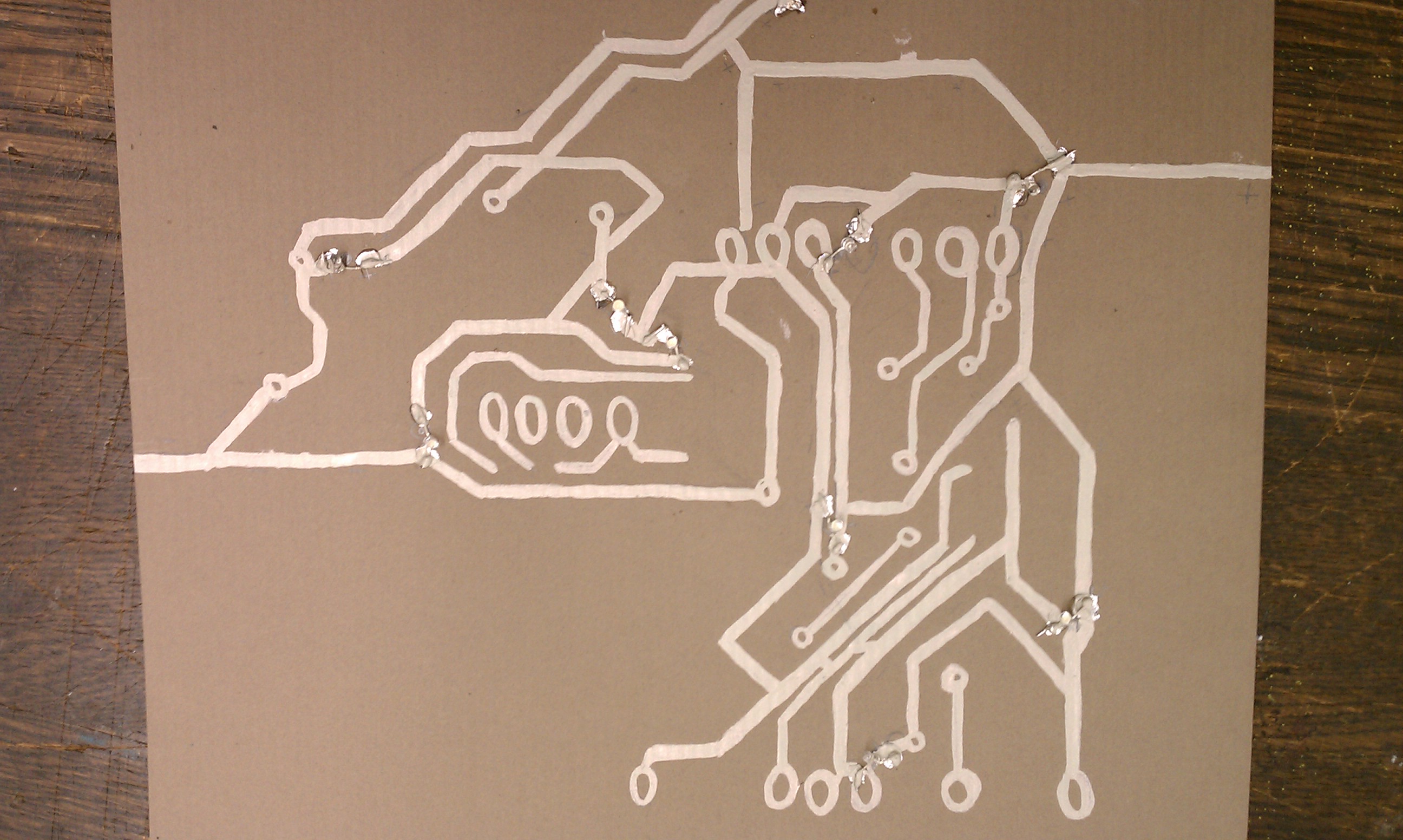
The code has been mostly finalized. For now, there are two IR distance sensors that sense which direction a user walks by the painting. If the user triggers the right sensor, it waits to light the LEDs until the left sensor is triggers. Then, the painting is lit in sequence from right to left (the opposite happens if left triggered first, then right). See code.

Painted Arduino circuit with LEDs


Read the rest of this entry »

December 14, 2010 0

Finally

By in Fall 2010, Physical Computing 1

December 14, 2010 0

Major Studio: Interface Final

By in Fall 2010, Major Studio: Interface

Below is my final presentation. Please also see my final paper.

Tags: , , ,

December 14, 2010 0

Light & Time – Process Update

By in Fall 2010, Physical Computing 1

I decided to re-make the bracelet for my Light/Time project, using a shiny silver fabric (much easier to work with than real leather) and rethinking how to turn the timer on and off. Please see my previous post regarding the process of moving to a Lilypad, as well as my original post with my first iterations and my mid-semester iterations.

After sewing a casing with this new fabric, I realized it was impossible to install the LEDs, Lilypad, and wires into the narrow bracelet. I recut a new strip of fabric and glued everything down before doing any sewing. This strategy allowed me to make sure everything was in the right position while all the parts were visible and easy to manipulate. I also used hot-glue to seal the legs of the LEDs.

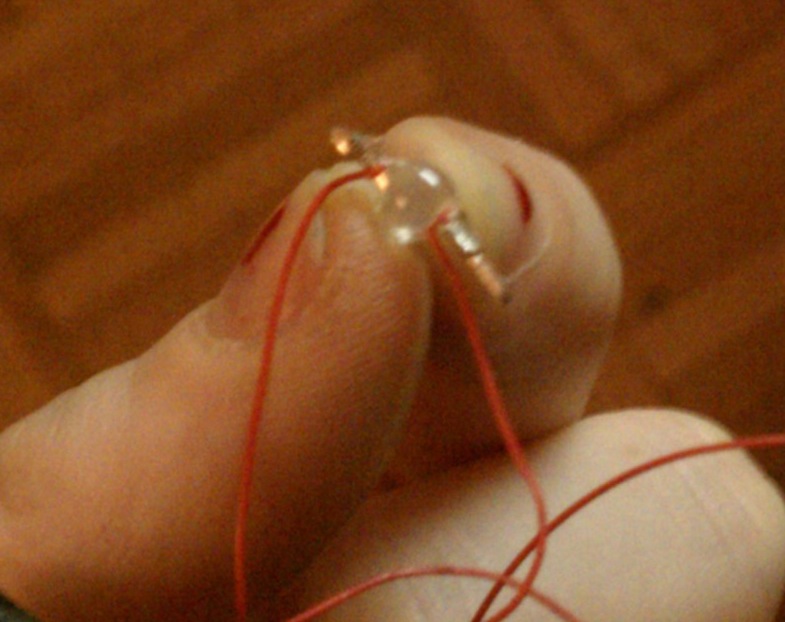
hot glue to seal the wiring to the LED legs


gluing the innards to the bracelet

I then folded over the edges and sewed them together using a slip stitch to discretely join the edges to conceal the innards of the bracelet.

the sewed back-side of the bracelet


finished front of the bracelet

Tags: , , ,

December 13, 2010 0

Interface Final Update

By in Fall 2010, Major Studio: Interface

Please see my previous post on the process of this project and my initial mock-ups.

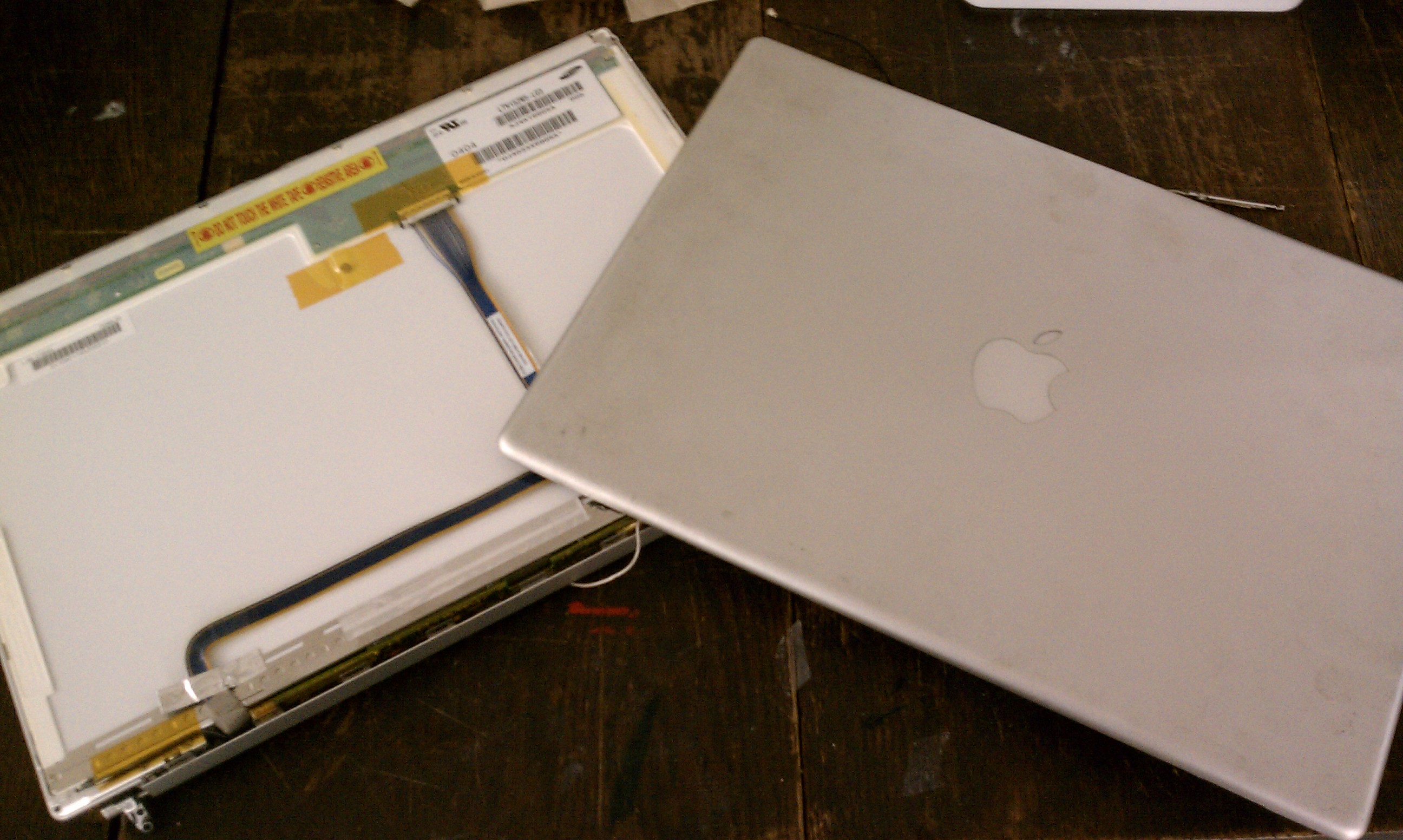
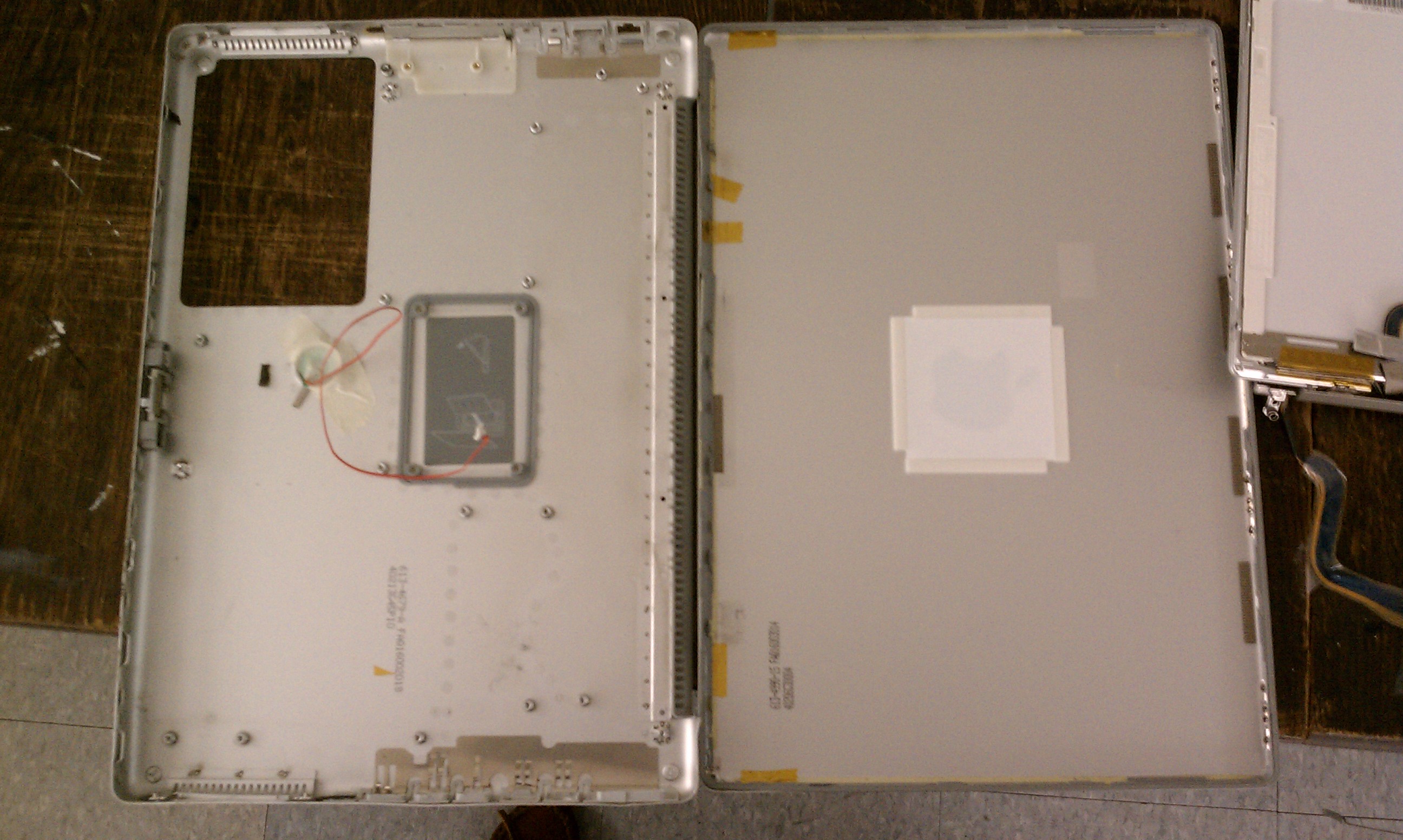
Once I cleaned out all of the innards of the computer body, I wanted to take apart the screen in order to see what I might be able to do with it, as well as how it worked, so that I might bring it back to life. After many attempts and a little elbow grease, I was able to pry the screen away from the top casing of the computer.

separated screen and top case


completely clean computer case


Read the rest of this entry »

Tags: , ,

December 8, 2010 0

Are Finals Over Yet?

By in Fall 2010

Inspired by Is it Christmas Yet? and Is it xmas yet?, I created this simple countdown until the end of the semester application in Processing. I give you Are Finals Over Yet?. Enjoy, and check back daily to see time tick down!

Tags: ,

December 3, 2010 0

PComp Final Progress 1

By in Fall 2010, Physical Computing 1

Liz and I have been working very hard on our Physical Computing final project, an interactive wall hanging that serves as an ambient night light. We began by simply experimenting with the conductive paint to build a simple circuit with an LED. We tested many circuits by painting, blow drying (to dry the paint faster), attaching an LED in different ways, and then testing with a small 3V watch battery. After many disappointing attempts, we learned that the paint coat needs to be very smooth and consistent in order to conduct the electricity correctly.

Our next step was deciding on a pattern to paint onto our wall hanging. We imaging these paintings hanging in the homes of tech nerds who wake up in the middle of the night to stumble to the bathroom or to their computer to type up the code they were dreaming about. Thus, what better pattern than the lovely circuits of an Arduino board? Check out our traces in this post. The first iteration was to paint these circuits onto a large piece of brown recycled paper, as the low-tech feel of the paper would contrast nicely with the high-tech aspects of the art piece.

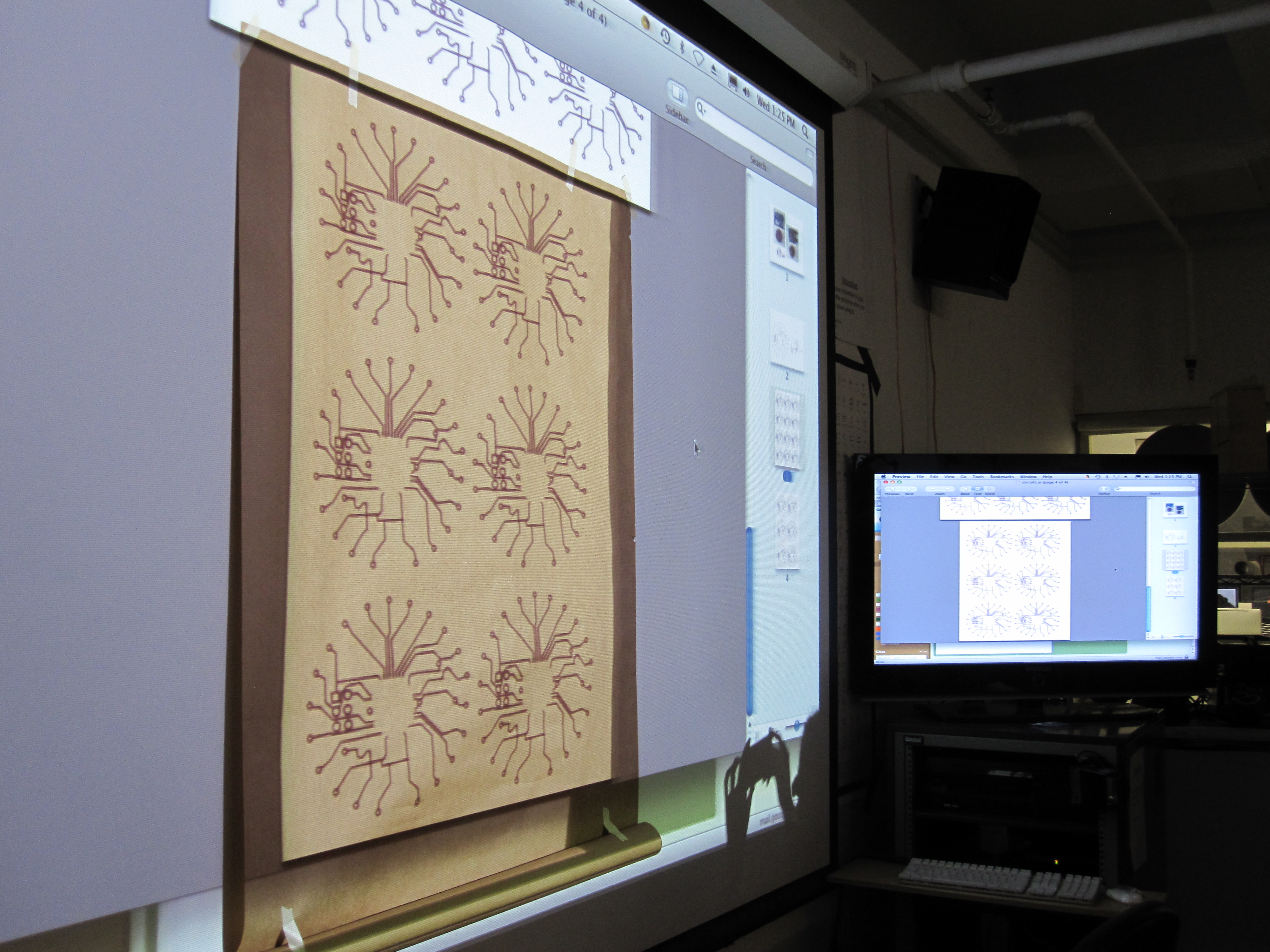
In order to transfer our traces onto the paper, we taped the paper to the wall and projected the traces onto it. We then sketched the circuits onto the paper.

projected traces


Read the rest of this entry »

Tags:

December 3, 2010 0

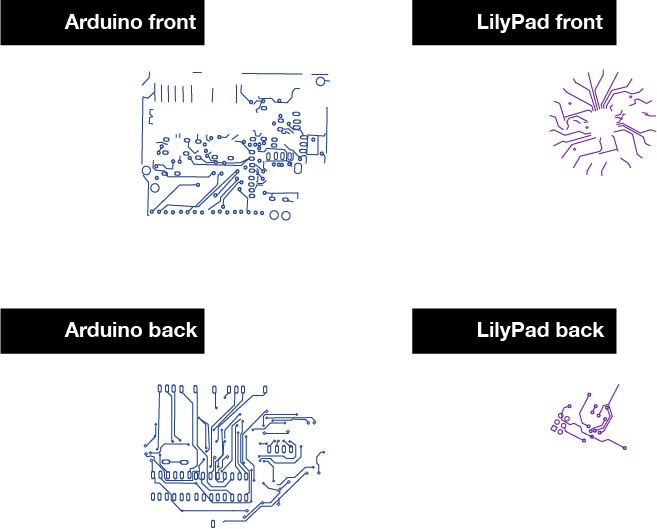
PCB Traces

By in Fall 2010, Physical Computing 1

Below are traces of the circuits on Arduino and LilyPad PCB boards. Liz and I are going to use these circuits in our night light painting design for our Physical Computing final.

Tags: , ,

November 30, 2010 0

Interface Final Project Mock-ups

By in Fall 2010, Major Studio: Interface

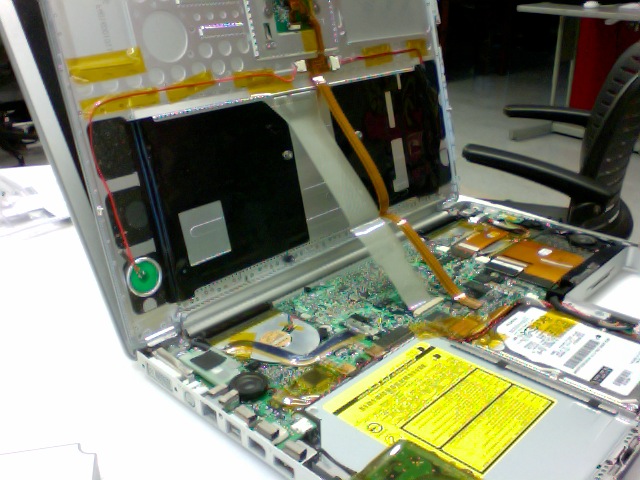
After great in-class critique and suggestions, and the generous donation of an old Apple PowerBook G4 by my teacher, I decided to attempt to repurpose an old computer. I began tearing apart the Powerbook using this tutorial. There is also this video, which I of course found after I had already disassembled my machine. There are many great tutorials to be found using the google machine or searching instructables.

The innards, pre demolition.

Read the rest of this entry »

Tags: , ,

November 17, 2010 0

Light & Time Revisited

By in Fall 2010, Physical Computing 1

This week I reworked my Light & Time project by changing the look and feel of the bracelet. I decided that the first iteration’s remote Arduino and battery pack would not be so convenient or stylish, so this time I am using a Lilypad Arduino and accessories. The Lilypad Arduino is small and powerful, and the bobbin and battery holder help make the whole set-up more compact. I began by rebuilding my circuit onto these new pieces and programming it with the original code.

(Apologies for the poor contrast)

I decided to go with the leather bracelet look for this iteration, so I then measured out the fabric, cut holes for the LEDs (3mm this time), and positioned my circuit into place.

Here is the almost-finished version, modeled in its bracelet form. Not bad!

Light & Time Revisited from Tami on Vimeo.

November 11, 2010 0

PComp Final Ideas

By in Fall 2010, Physical Computing 1

For this week’s Physical Computing homework, we were to come up with ideas for our final projects. The first part of the final is to create the finished version of our Light and Time project (view posts here, here, and here).

Here is the proposal presentation I put together.

The second part of the final is to create a project in the spirit of Calm Technology (aka ubiquitous technology) and to use a distance sensor to activate the thing. Liz and I both decided to explore moving away from wires and traditional circuits by exploring conductive paint and conductive thread, so we want to work together to design something really great.

Here is our proposal presentation for our final project.

[[edit: 11/17]]
After feedback from Joel and a good re-think, I will be proposing a new idea on Friday for my final project. More details will follow, but here is a sneak pic of what I call EgoBot.
Read the rest of this entry »

Tags: , , , ,