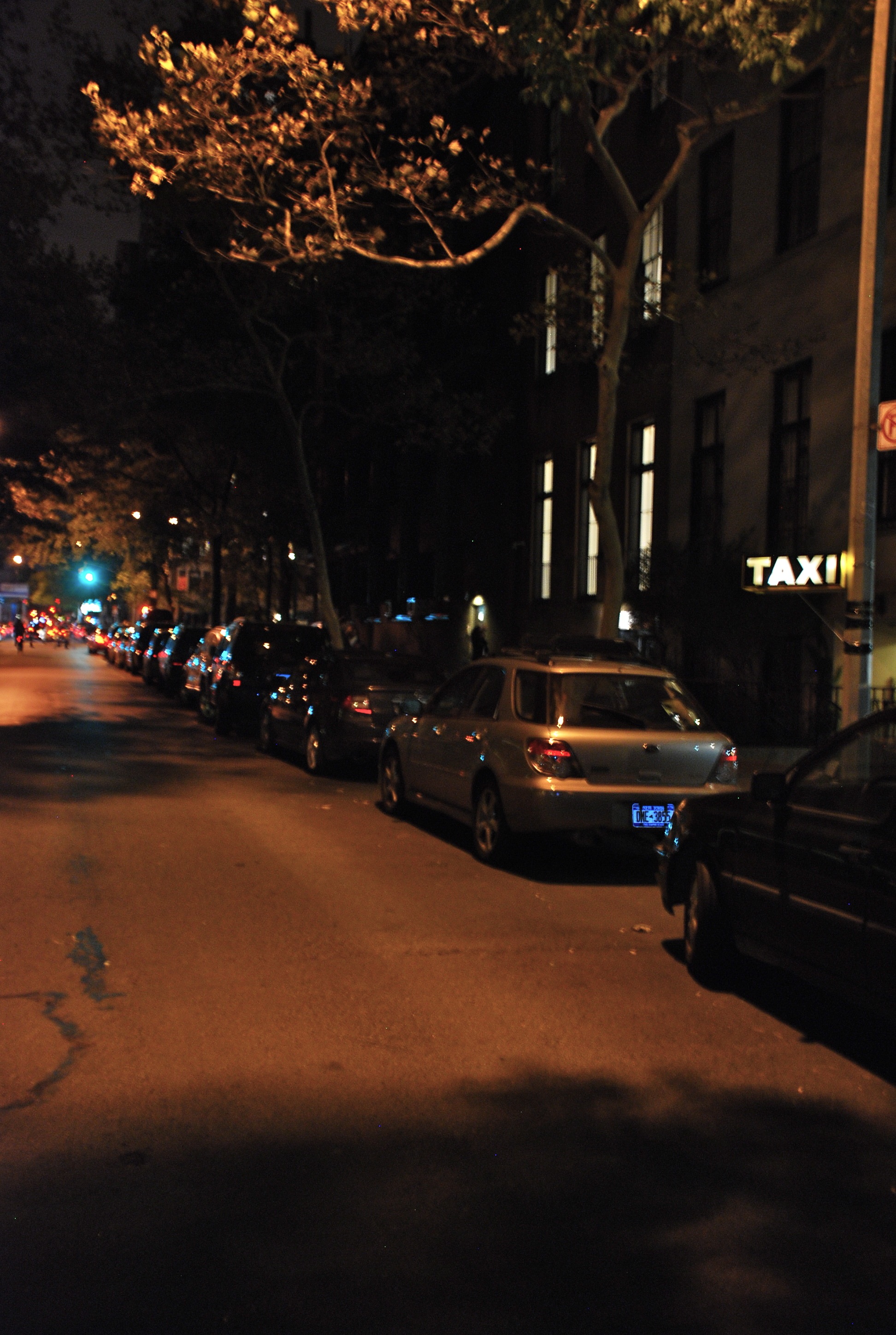
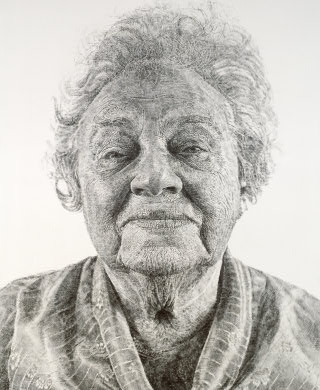
November 7, 2010 0

Changing Landscapes

By in Fall 2010, Major Studio: Interface

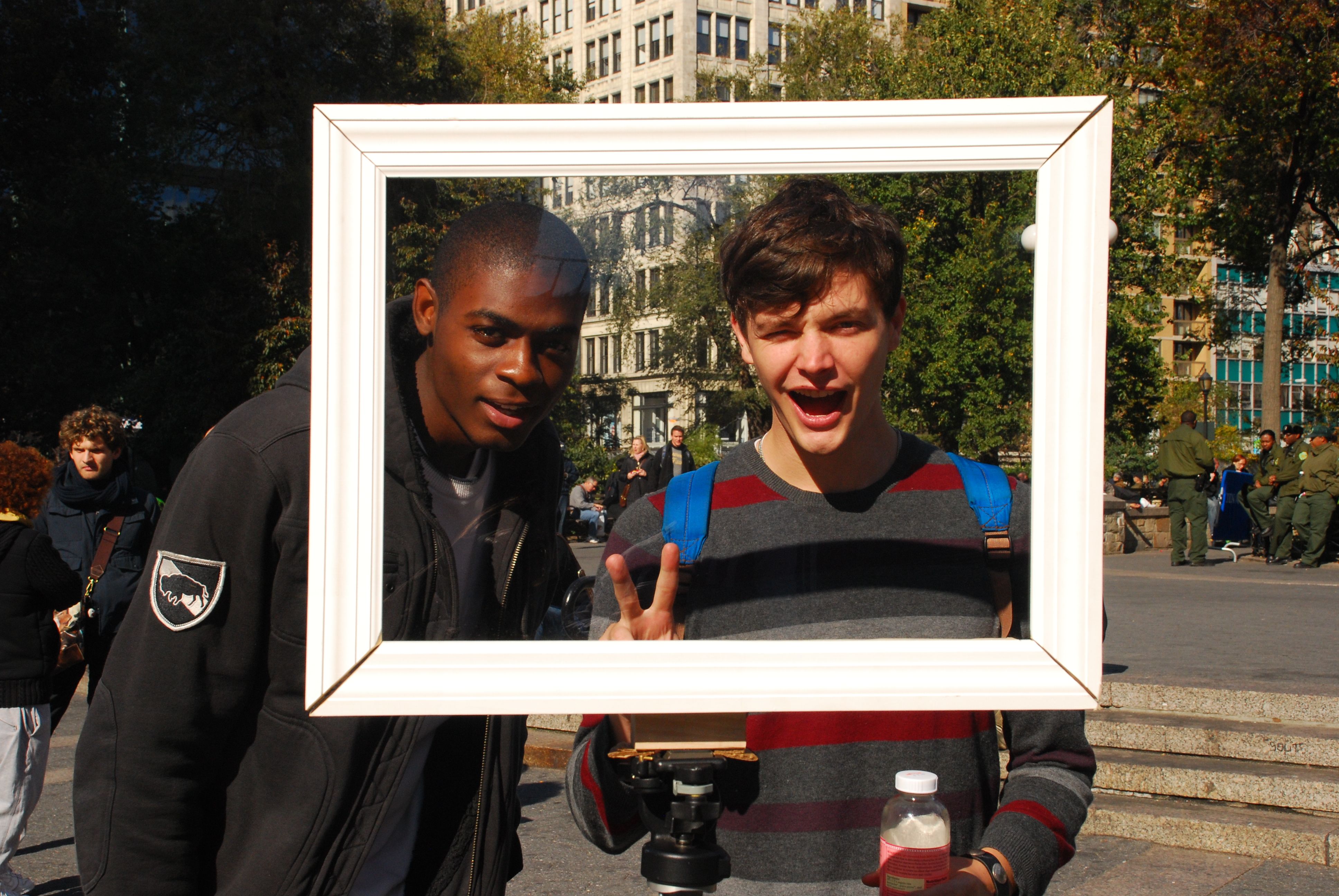
Below is the final presentation that Thom, Will, and I put together for our second Instruction Sets for Strangers project, which shows our process and manifestation.

Make sure to check out the compilation of all of the photos we captured.

Changing Landscapes from Tami on Vimeo.

Tags: , ,

November 7, 2010 0

Saussure & Semiotics presentation

By in Fall 2010, Major Studio: Interface

Below is a presentation I put together for Major Studio to explain the contributions of Swiss Linguist Ferdinand de Saussure and his idea of Semiotics. When I studied Linguistics as an undergrad, I learned about structuralism, which is just another signifier of the same signified that semiotics represents (confused yet?). It was interesting for me to make connections between linguistic concepts and design, as well as to learn how the art and design world has adapted these concepts.

Tags: , ,

November 3, 2010 0

iSfS #2 Preview

By in Fall 2010, Major Studio: Interface

Just because I’m really pumped about our second Instruction Sets for Strangers project, Changing Landscape, here are a few pictures to show what Thom, Will, and I have been working on. A full post along with our finished project will be up in a few days. Enjoy!


Read the rest of this entry »

Tags: , , ,

November 2, 2010 0

Visit to High Line Park

By in Fall 2010, Major Studio: Interface

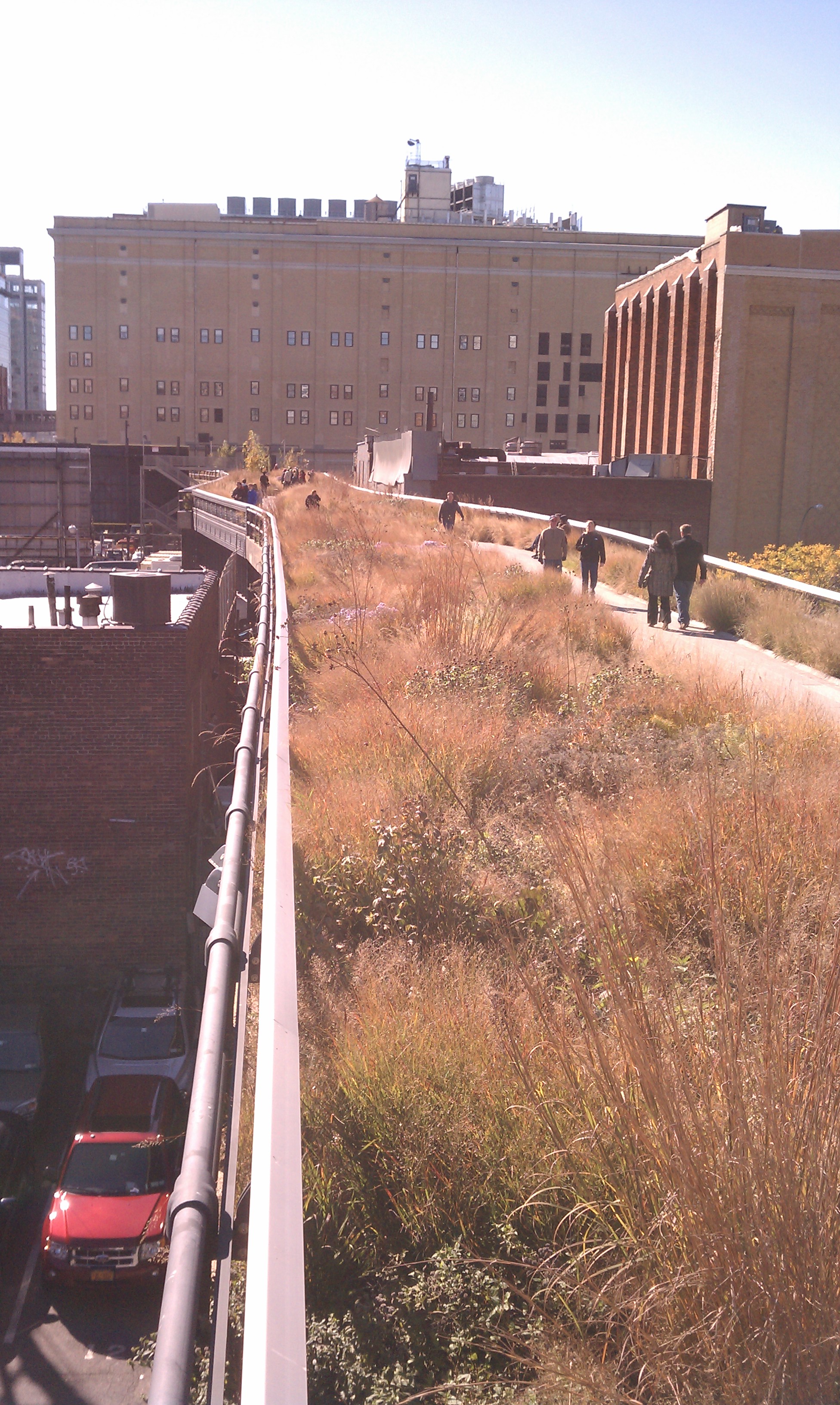
After class on Monday, Thom, Will, and I visited High Line Park to see Richard Galpin’s Viewing Station. This public art piece is located on the High Line between 17th and 18th Streets. Here are some photos of the piece, as well as some of the other beautiful scenes from the park.

A view of the park

Read the rest of this entry »

Tags: ,

October 28, 2010 0

Light/Time Iterations

By in Fall 2010, Physical Computing 1

Look/Feel Iterations:

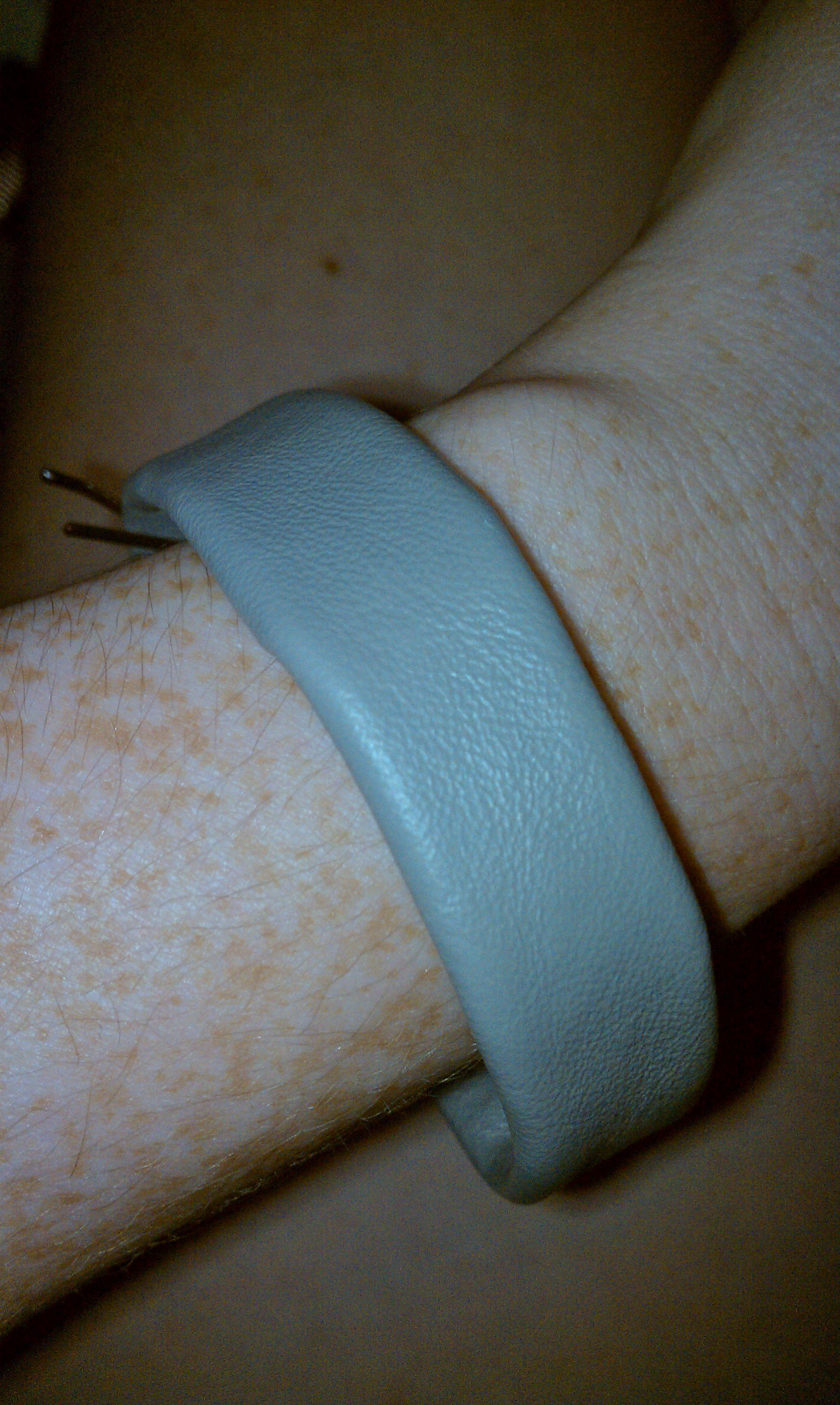
Leather bracelet

I wanted to see what a different material would look like for the bracelet. I decided a flatter, more normal looking bracelet would make this piece look like any other piece of jewelry one might decide to wear normally. The leather achieves this, and I am pleased that it has a more uni-sex look.

Read the rest of this entry »

Tags: ,

October 28, 2010 0

Gestural Movement Project

By in Fall 2010, Physical Computing 1

For our Physical Computing homework this week, we were tasked with creating a project that showed gesture using a Servo Motor.

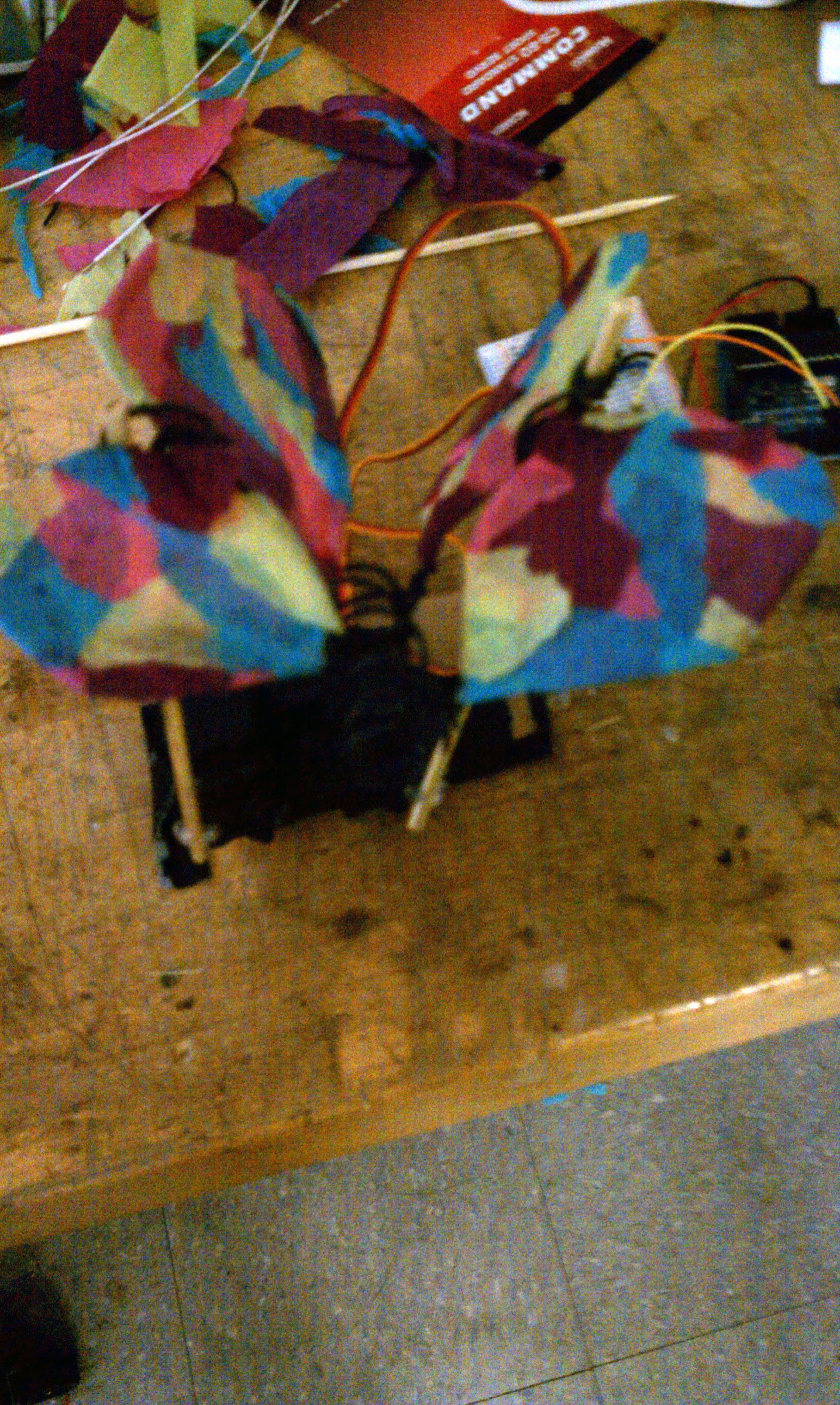
Lara and I teamed up and combined our servo-skills and hardware. Inspired by Arthur Ganson‘s work, we decided to create a butterfly whose wings would flap gracefully.

We started by coding our motors to rotate gracefully. We used an easing technique with the following equation:

(target position – current position [distance left to go] / increment) + current position

This increments the distance the servo is turning and makes the motor turn quickly at first, and then slower and slower toward the target. Increasing the increment makes the motor move slower, with more easing. The two motors were coded to run opposite of each other to make the wings flap in opposite-union. Please check out our code.

We then created our butterfly using a wire frame and wrapping it with tissue paper. We then attached a wood rod parallel to each of the motor horns, and then affixed the other end of the rod to the outside of the butterfly wings. When the motors are on and turning, the wings are compressed and expanded, creating the illusion of fluidly flapping wings.

Here is a photo of our creation.
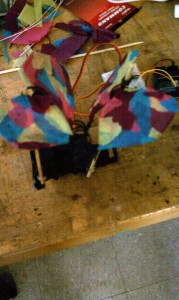
Read the rest of this entry »

Tags: , , ,

October 25, 2010 0

Taxi!

By in Fall 2010, Major Studio: Interface

Please take a look at the final presentation Thom, Will, and I put together for our first Instructions Sets for Strangers project. You can also see the web interface we created for our Taxi service, as well the mobile edition.

Tags: ,

October 24, 2010 0

iSfS #1 Preview

By in Fall 2010, Major Studio: Interface

Will, Thom, and I have been working very hard on our first Instructions Sets for Strangers project. Here is a little preview of the project we have been very excited to do.

Tags: ,

October 20, 2010 0

PComp HW #6

By in Fall 2010, Physical Computing 1

This week’s assignment was to work with an Infrared (IR) sensor, read the data coming into it, and linearize that data. I worked collaboratively with Oylum Boran, Liz Kauff, and Adam Scher.

We began by simply connecting the IR sensor to the Arduino and using simple analogRead and Serial.print commands to see how the sensor worked and what types of numbers it would spit out at us. Once we had it working, we attached the IR sensor to a piece of scrap wood to stabilize it and set up a 30 inch stretch of measuring tape to measure distances away from the sensor, in order to calibrate it.

We found the following spec sheet to be helpful in converting the analog data into human-looking numbers, and then converted this equation into inches, our unit of measure. Below is the equation we used to convert the data into inches. (Note: the italicized numbers can be removed to convert from in to cm)

(4800*0.393700787)/(average – 20)

Read the rest of this entry »

Tags: , ,

October 16, 2010 0

Pace Gallery Visit

By in Uncategorized

Today I visited The Pace Gallery to view their 50 Years At Pace exhibits. It was rousing to walk around Chelsea and see the many art galleries in the area, and even more inspiring to walk through the Pace galleries. Below are some of my favorites of the exhibited pieces. I sandwiched my selections with my favorite artists of the bunch, Chuck Close and Roy Lichtenstein. Enjoy!


Chuck Close
Fanny/Fingerpainting
1985
more information

Read the rest of this entry »

October 15, 2010 0

What I made today in PComp

By in Fall 2010, Physical Computing 1

Today was transistor day in Physical Computing. Well, not exactly, but we did learn a lot about transistors. Below are the lessons/projects we worked on in class.

1. We each made a circuit with two LEDs & one button, powered by a 9 volt battery. When one LED is lit, the other is dark. When the button is pressed, the lit LED goes dark and the dark LED gets lit. Make sense?

Here’s a Picture of the circuit.

… and a video of it in action.

No Arduino! from Tami on Vimeo.


Read the rest of this entry »

Tags: , , ,

October 14, 2010 0

Potentiometer, Photo Resistor, Joystick

By in Fall 2010, Physical Computing 1

For our PComp HW this week, the assignment was to learn how to use a potentiometer, photo-resister, and joystick, and then make something cool.

I started by testing a potentiometer using this tutorial code. One side is connected to 5V, the other side is connected to ground. The middle pin is connected to Analog-In pin 2. As the dial turns closer to the side connected to 5V, more power is sent toward Analog-In and the LED on pin 13 blinks faster. As the dial turns closer to the side connect to ground, less power is sent toward Analog-In and the LED on pin 12 blinks slower.

Potentiometer from Tami on Vimeo.

Read the rest of this entry »

Tags: , ,